Q What led Kyoei Lumber to begin producing Yakisugi, and how has the business developed over time?
The Beginning of Yakisugi Production
The origins of Yakisugi production at Kyoei Lumber date back to the early 1970s.
At the time, residential construction in Japan was highly active. However, cedar logs with diameters exceeding 22 cm were difficult to use as structural material and were therefore regarded as low-value resources.
Against this background, the company’s second-generation president, Yoshio Nishishita, began exploring ways to make more effective use of this cedar and turned his attention to Yakisugi.
At that time, Yakisugi was a building material rooted in local tradition, but its production relied entirely on manual labor and was carried out on a small scale in outdoor settings.
In order to move beyond these labor-intensive methods and establish a more stable supply, Nishishita devised a factory-based production system. In 1973, Kyoei Lumber established its Yakisugi factory.
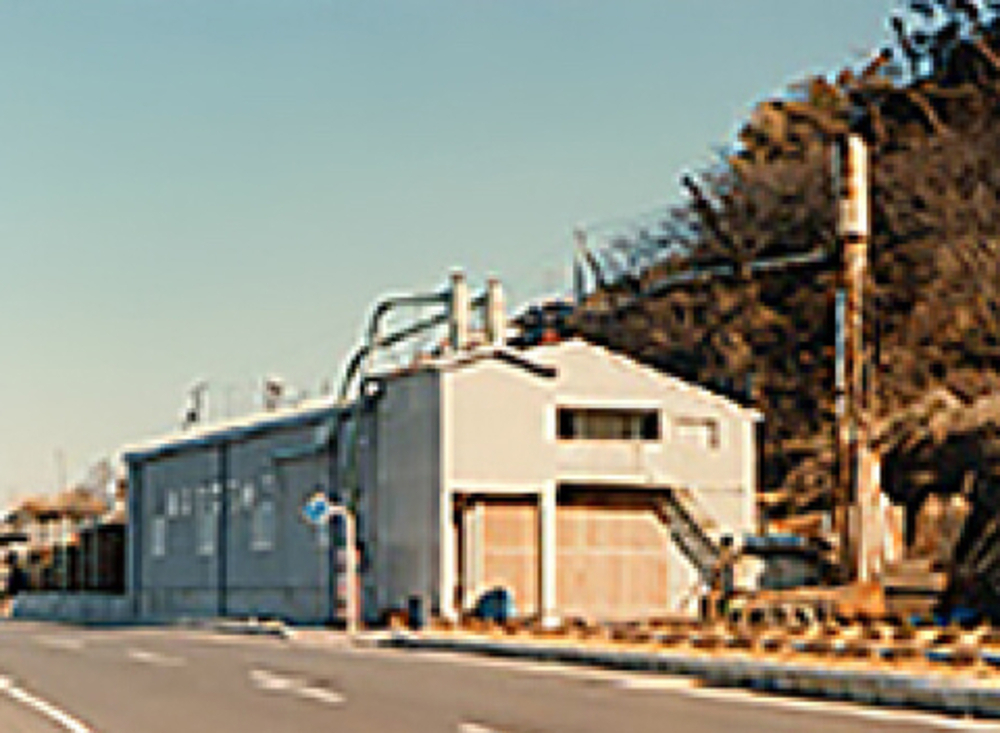
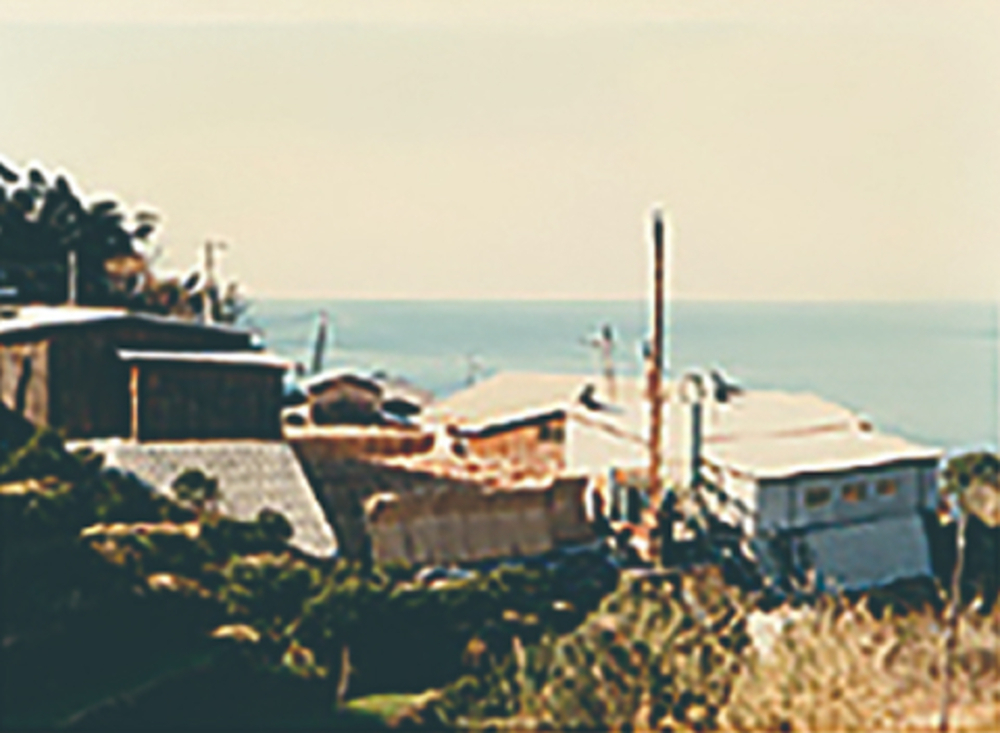
The Development of the Yakisugi Business
Following this, the Yakisugi business grew steadily, and visitors from across Japan began traveling to Ehime, where Kyoei Lumber’s factory is located.
Inspired by Kyoei Lumber’s equipment and production methods, an increasing number of sawmills and forestry cooperatives sought to begin producing Yakisugi themselves.
At that time, there were approximately 100 Yakisugi factories of various sizes throughout Japan. Many of these were based on machinery originally devised by Kyoei Lumber’s second-generation president.
Today, Kyoei Lumber holds a significant share of the Yakisugi field in Japan, and building on this foundation, its activities have continued to expand beyond Japan.
Related Questions
- Q What kind of cedar boards are used for Yakisugi?
- Q How was Yakisugi “Misugi” developed?
- Q How was Yakisugi “Gen” developed?
- Q What is the difference between black-painted cedar boards and Yakisugi “Gen”?
- Q What is the difference between the Triangle Charring Method and the Machine Charring Method used for Yakisugi?
- Q Are there any precautions when using Yakisugi in areas with heavy snowfall?
- Q What should be noted when installing Yakisugi?
- Q What is Yakisugi? How is it different from ordinary cedar boards?